
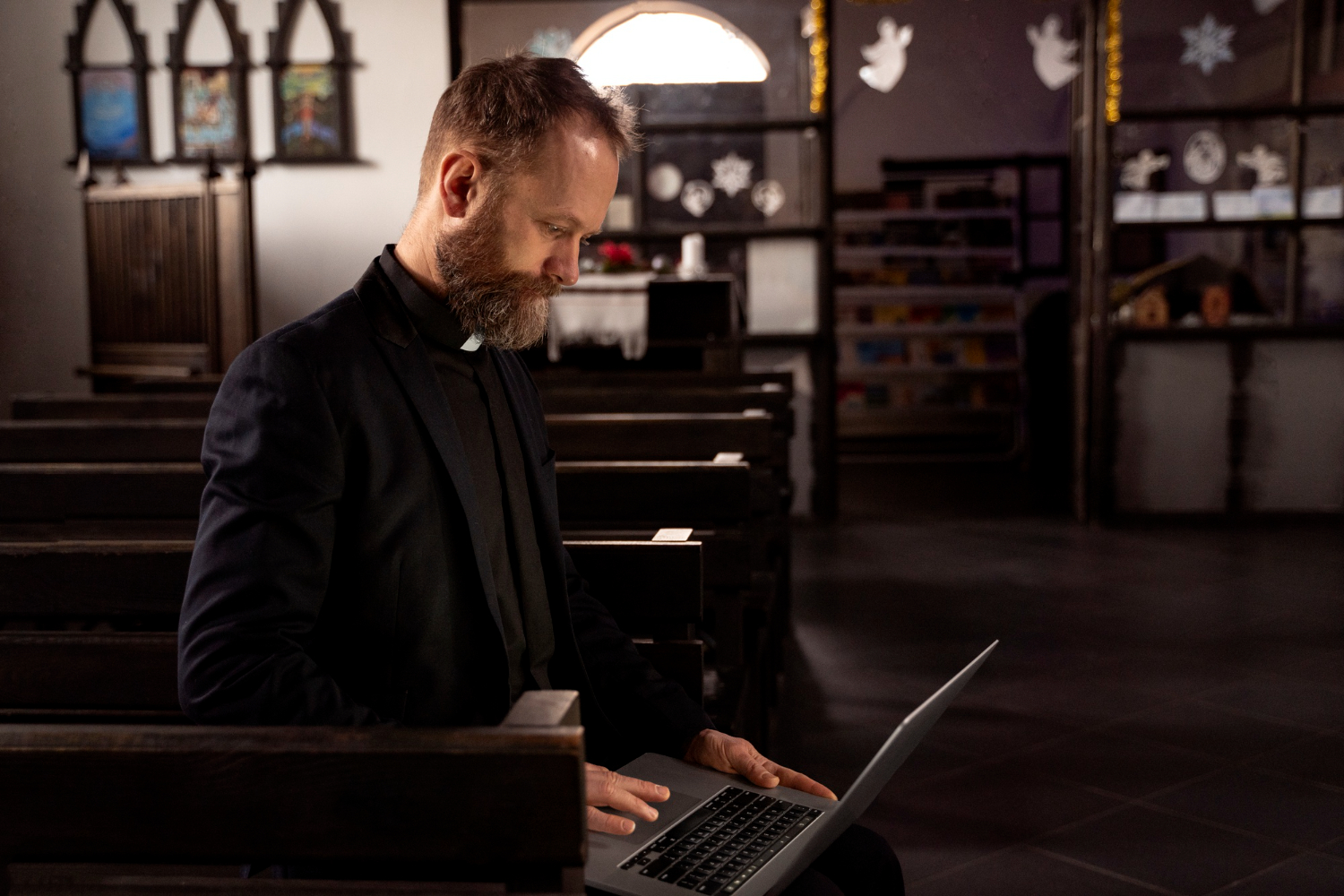
Church IT challenges have never been more complex than in 2025. As churches across the Dallas-Fort Worth metroplex continue adapting to modern ministry, technology has become essential for reaching congregations and serving communities effectively. However, with increased reliance on digital systems comes a unique set of IT challenges that many faith-based organizations struggle to address with limited resources and volunteer-based technical support.
At ASX IT, we’ve worked extensively with churches and religious organizations to understand their specific technology needs. Here are the five most critical IT challenges churches face today and practical guidance for addressing them.
1. Cybersecurity and Data Protection
Churches collect and store sensitive information about their members, including contact details, financial contributions, and sometimes pastoral counseling notes. This makes them attractive targets for cybercriminals, yet many religious organizations lack basic cybersecurity protections.
According to the FBI’s Internet Crime Report, religious organizations experienced a 34% increase in reported cyber incidents in recent years. Ransomware attacks on churches have become particularly common, with attackers encrypting critical data and demanding payment for its release.
The challenge: Most churches rely on volunteers who may not have cybersecurity expertise, and ministry budgets often prioritize outreach over IT infrastructure. This creates vulnerabilities in password policies, outdated software, unpatched systems, and insufficient backup procedures.
What churches need: Professional church IT services that include regular security assessments, automated patch management, secure backup solutions, and staff training on recognizing phishing attempts and social engineering tactics.
Smart IT Support That Works for You
From fully managed to co-managed services, our expert IT solutions ensure performance, security, and efficiency for businesses of all sizes.
2. Managing Hybrid Ministry Technology
The pandemic permanently changed how churches operate, with many congregations now offering hybrid services that combine in-person and online attendance. This requires reliable streaming equipment, sound systems, presentation software, and network infrastructure that can handle simultaneous physical and virtual gatherings.
The challenge: Coordinating multiple technology systems during live services creates pressure on volunteer tech teams. Audio/video synchronization issues, dropped streams, presentation software crashes, and connectivity problems can disrupt worship experiences for both in-person and remote attendees.
Churches also struggle with the ongoing costs of streaming licenses, video equipment maintenance, and bandwidth requirements. Many organizations invested heavily in streaming technology during 2020-2021 but now face equipment failures and outdated systems without clear replacement plans.
What churches need: A comprehensive technology assessment to identify gaps in current systems, professional network infrastructure that supports high-bandwidth streaming, redundant internet connections to prevent service disruptions, and ongoing technical support during critical service times.
3. Budget Constraints and Technology Planning
Churches operate on tight budgets with significant accountability to their congregations for how funds are spent. Technology investments often compete with missions, building maintenance, and staff salaries, making it difficult to justify IT spending even when systems desperately need upgrades.
The challenge: Without proper IT planning, churches experience expensive emergency repairs, unplanned downtime, and piecemeal technology purchases that don’t integrate well together. The lack of a technology roadmap leads to reactive spending rather than strategic investments.
Many churches also struggle with understanding the total cost of ownership for technology systems. They may focus on upfront hardware costs while overlooking ongoing expenses for software licenses, maintenance, security updates, and technical support.
What churches need: Transparent managed IT services with predictable monthly costs, strategic technology planning that aligns with ministry goals and budget realities, and honest guidance about which investments provide the best value for their specific situation.
4. Volunteer Technical Support Limitations
Most churches rely heavily on volunteer technical support from congregation members who have IT experience in their professional lives. While these volunteers provide valuable service, this model creates significant challenges for maintaining consistent, reliable technology operations.
The challenge: Volunteers have limited availability and may lack expertise in specific areas like cybersecurity, network infrastructure, or cloud services. When key volunteers move away, change jobs, or simply burn out from the responsibility, churches face sudden technology crises with no clear succession plan.
Volunteer-based IT support also struggles with documentation, standardized procedures, and proactive maintenance. Systems often work until they don’t, with no one monitoring for warning signs or performing preventive maintenance.
What churches need: Professional IT partnerships that complement volunteer efforts rather than replacing them entirely. This allows volunteers to focus on ministry-specific technology needs while professionals handle infrastructure, security, and strategic planning. Churches benefit from documented systems, 24/7 monitoring, and guaranteed response times that volunteers simply cannot provide.
5. Outdated Infrastructure and System Integration
Many churches operate with aging technology infrastructure that wasn’t designed for current ministry needs. Legacy systems for church management, donation processing, and communication often don’t integrate well with newer tools for online services, mobile giving, and social media engagement.
The challenge: Churches accumulate multiple disconnected systems over time—a database for member information, separate software for online giving, different platforms for event registration and volunteer scheduling, plus various communication tools for email, text messaging, and social media. Staff members spend excessive time manually transferring information between systems and dealing with synchronization errors.
According to Pushpay’s State of Church Giving Report, churches that modernize their giving platforms see an average 32% increase in digital donations. However, many organizations hesitate to upgrade systems due to concerns about data migration, staff training, and integration with existing infrastructure.
What churches need: A comprehensive technology audit to identify integration opportunities, expert guidance on selecting church management software that meets their specific needs, professional data migration services to ensure nothing is lost during system transitions, and ongoing support to help staff maximize the value of new tools.
Moving Forward: Practical Steps for Churches
While these challenges may seem overwhelming, churches don’t need to address everything simultaneously. The key is taking strategic steps toward more reliable, secure technology that supports ministry rather than hindering it.
Start with a professional technology assessment to understand your current situation and identify the most critical gaps. Many churches discover that focusing on just one or two areas—such as implementing proper backup systems or securing their network—provides immediate benefits while building a foundation for future improvements.
Consider partnering with managed IT service providers who understand the unique needs of religious organizations. Look for providers who offer transparent pricing, demonstrate respect for your mission, and have experience working with faith-based organizations in your area.
How ASX IT Supports Churches in North Texas
At ASX IT, we specialize in providing comprehensive IT support for churches and faith-based organizations throughout the Dallas-Fort Worth metroplex. We understand that technology should enable ministry, not create additional burdens for church staff and volunteers.
Our services include cybersecurity assessments and implementation, hybrid ministry technology support, strategic IT planning that respects budget realities, 24/7 monitoring and support to complement volunteer efforts, and system integration and modernization projects. We also provide training for staff and volunteers to help your team use technology more effectively.
Whether your church has 50 members or 5,000, we can help you develop an IT strategy that fits your ministry’s needs and budget. Contact us today to schedule a free technology assessment and learn how we can help your church overcome its technology challenges.
About the Author: ASX IT is a managed IT services provider based in Southlake, Texas, specializing in technology solutions for churches, healthcare organizations, and small businesses throughout the Dallas-Fort Worth metroplex.